22 October 2026
The Haystack Problem
Eight thousand demos. Clones in days. GTA 6 on the horizon. The hardest thing about shipping an indie game right now isn't making it. It's being found.
Last week Kotaku reported on a small, strange story. Needle In A Haystack Simulator, a sorting game from Studio Bitdot, went viral on social media in August. Within weeks, Steam had its clones. Kotaku counted at least fourteen. One clone developer then publicly accused another clone of lifting its code, and the internet mostly shrugged and called it karma.
It’s easy to laugh at. I didn’t, because I’m a few months from showing the public the first game my studio has made, and that story is the scenario I think about most.
I’ve been making games for a long time, including shipped titles and a studio I ran for eight years. But Bay 23 is the first game Hidden State has made as a studio, and I’m approaching it with excitement and a calculator in roughly equal measure.
The crowd
The October Steam Next Fest has over 8,000 demos, according to 80.lv. Think about what that means from a player’s side. Nobody can play 8,000 demos. Nobody can keep up with them. Most players will see a fraction of a percent of what’s there, filtered through whatever the algorithm, a streamer or a friend puts in front of them.
So when people talk about the flood of games on Steam, I don’t think the issue is that there are too many good games. The issue is that being good is no longer enough to be seen. Discoverability has become the main scarce resource in this industry, ahead of talent, tools or money.
I want to be careful about where I put the blame. It’s tempting to point at AI and stop there, and I don’t think that’s useful. Tools get cheaper and faster, and that has always been true. The real change is that the distance between “this idea is working” and “there are ten versions of it on the store” has shrunk to a few days. That’s a structural problem for anyone who ships something original.
The clone window
Here’s the specific risk. You put out a demo. It catches on, maybe a clip goes around, maybe a streamer picks it up. For a few days you’re having the best week of your studio’s life. Then a flurry of lookalikes appears, built from what people could see in your footage, aimed at the same audience, and some of them may reach the store before you do.
You can’t stop that, and I don’t think many small studios can afford to fight every copy. What you can do is decide what you’re actually protecting.
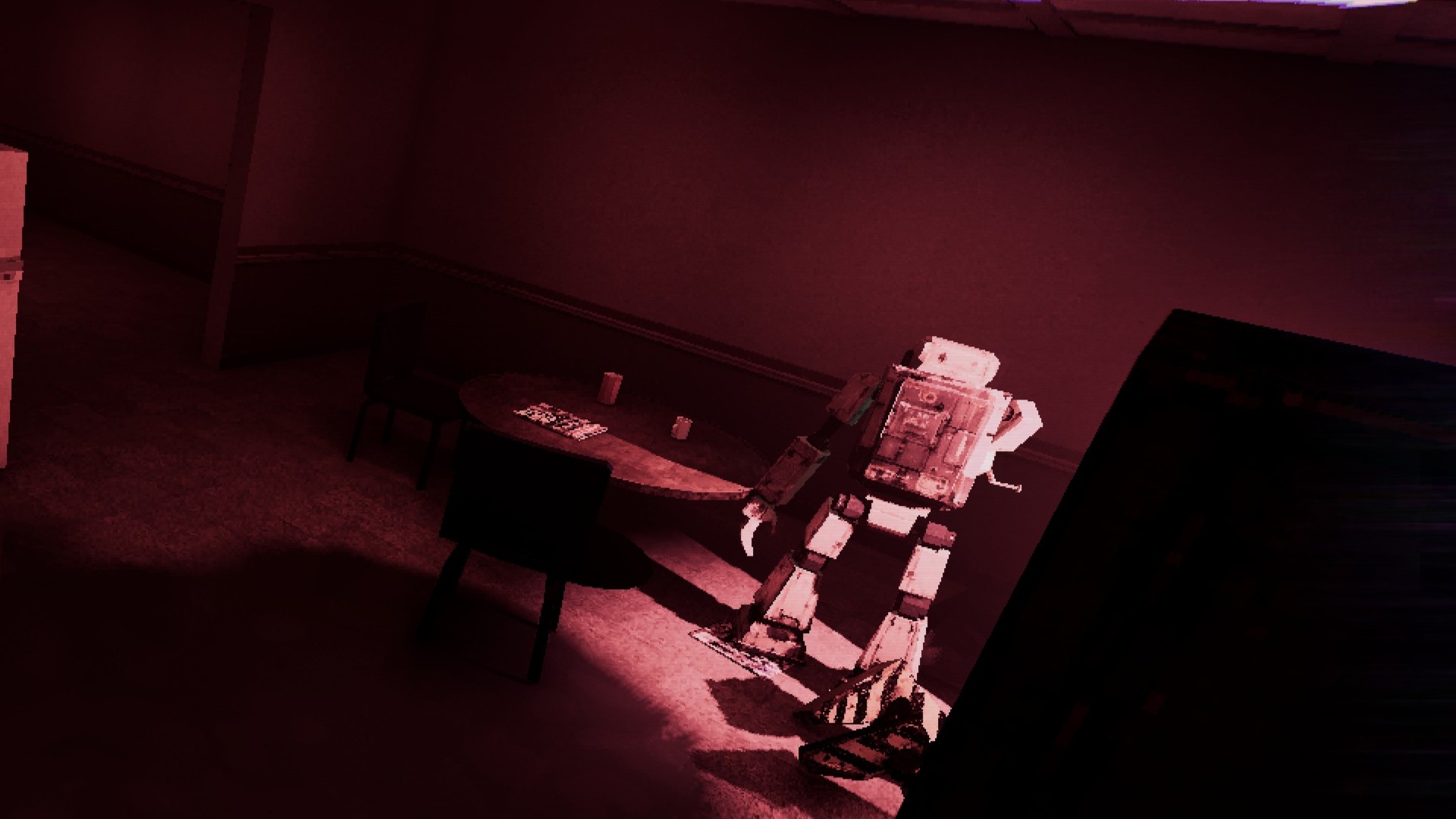
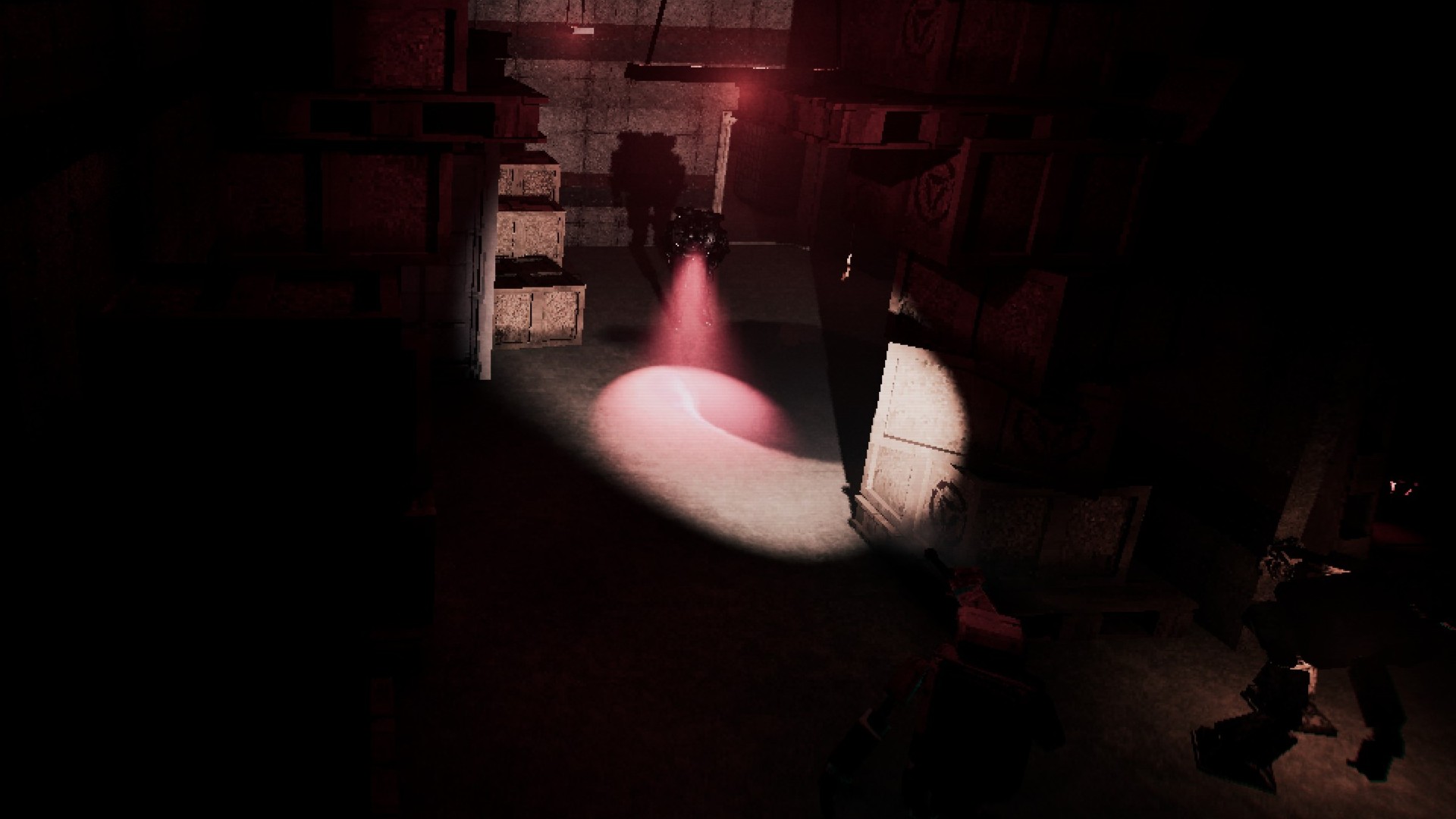
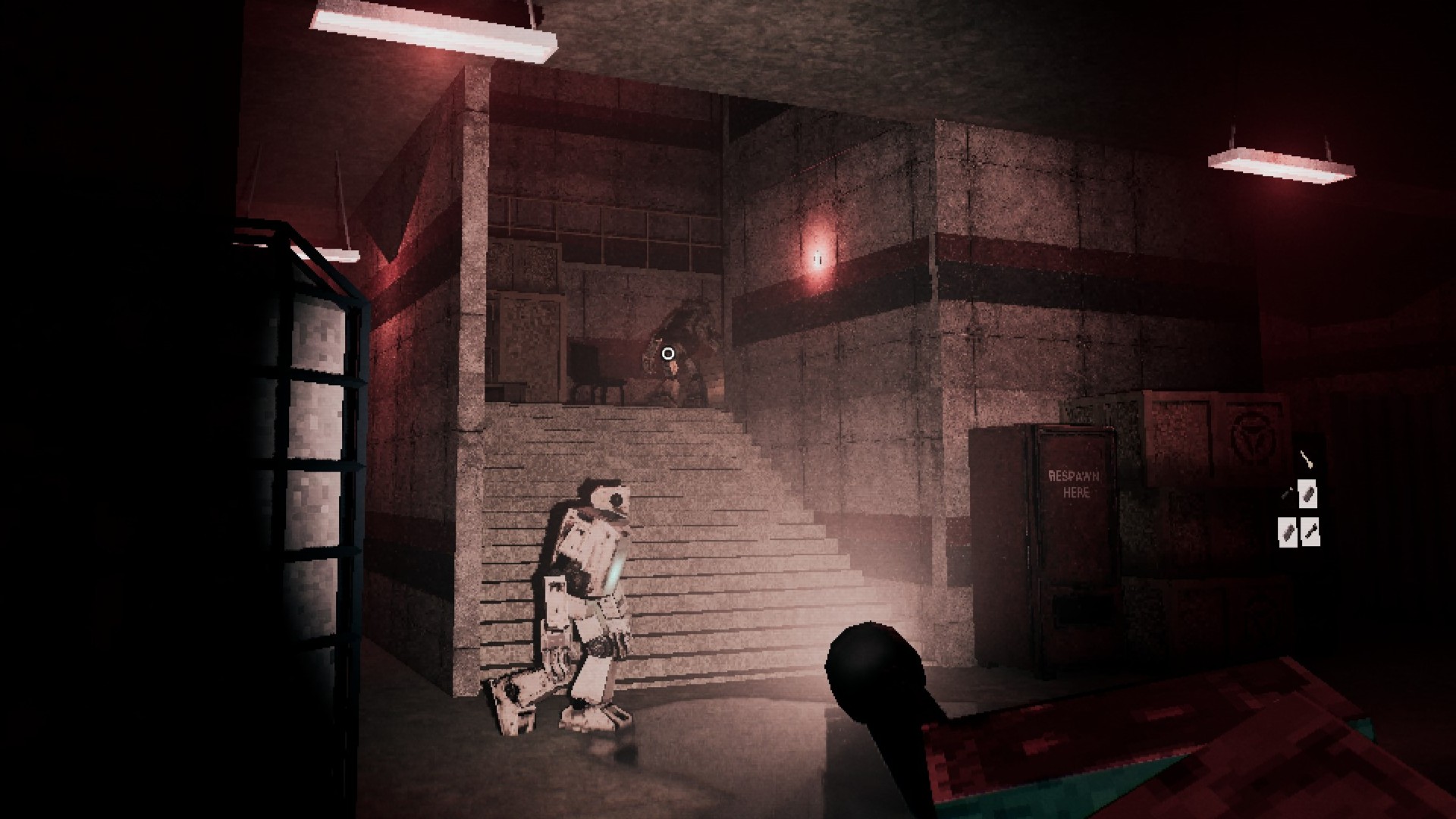
Our answer, for what it’s worth, is that the moat isn’t a single idea. It’s the depth of the thing. Bay 23 is a co-op horror game where you play as a robot working for an oppressive overseer in a warehouse. A clone can copy the headline of that. It’s much harder to copy the way every system around it is tuned to make it work: the AI, the level layouts, the economy of battery and risk, the way four people behave when they can’t trust their own mic. That kind of depth takes time and iteration, and you can’t screenshot it, at least not yet.
We’re also moving quickly, and that is part of the plan. If the window between “something works” and “everyone has copied it” is shrinking, the only sensible response is to shrink the time between your idea and your finished game too.
The warchest
None of this happens in a vacuum. The hardest thing I’m juggling right now is making the game as fun as it can possibly be while the warchest gets smaller every month. Every extra month of polish is a month of runway spent. Every month of rushing is a risk that the game isn’t good enough to survive the crowd.
On top of that, the calendar is getting busier. Big releases like GTA 6 loom over the next stretch, and nobody in a small studio can outspend that kind of attention. We have to be clear-eyed about it: the aim isn’t to compete for the same eyeballs, it’s to find the specific players who’d love our game and show up in front of them reliably.
What I actually believe
I’m not writing this to complain, and I don’t have a fix to offer. The platform, publishers and developers are all adapting to this at the same time, and it’s complicated, and I’d distrust anyone who claims to have it solved.
What I do believe is that quality beats quantity over time. Not quickly, not fairly every time, and not without a lot of work on the marketing side that many of us would rather not do. But over time, players remember games that are good and games that feel like someone cared. Clones can imitate a surface, but they find it hard to imitate that.
I also believe that independent developers are the future of this industry. Big studios are bound by their own scale. The most interesting, strangest, most personal games keep coming from small teams, and those are the games people are still talking about years later.
So if you’re a small team in the middle of this, with your demo ready and your wishlist numbers looking quiet and a store page that feels very small next to 8,000 others: keep going. The job isn’t to be seen by everyone. It’s to be found by the people who’ll love what you made. Make the game as good as you can, show it to them honestly, and be patient.
We’re doing the same, and we’ll let you know how it goes.
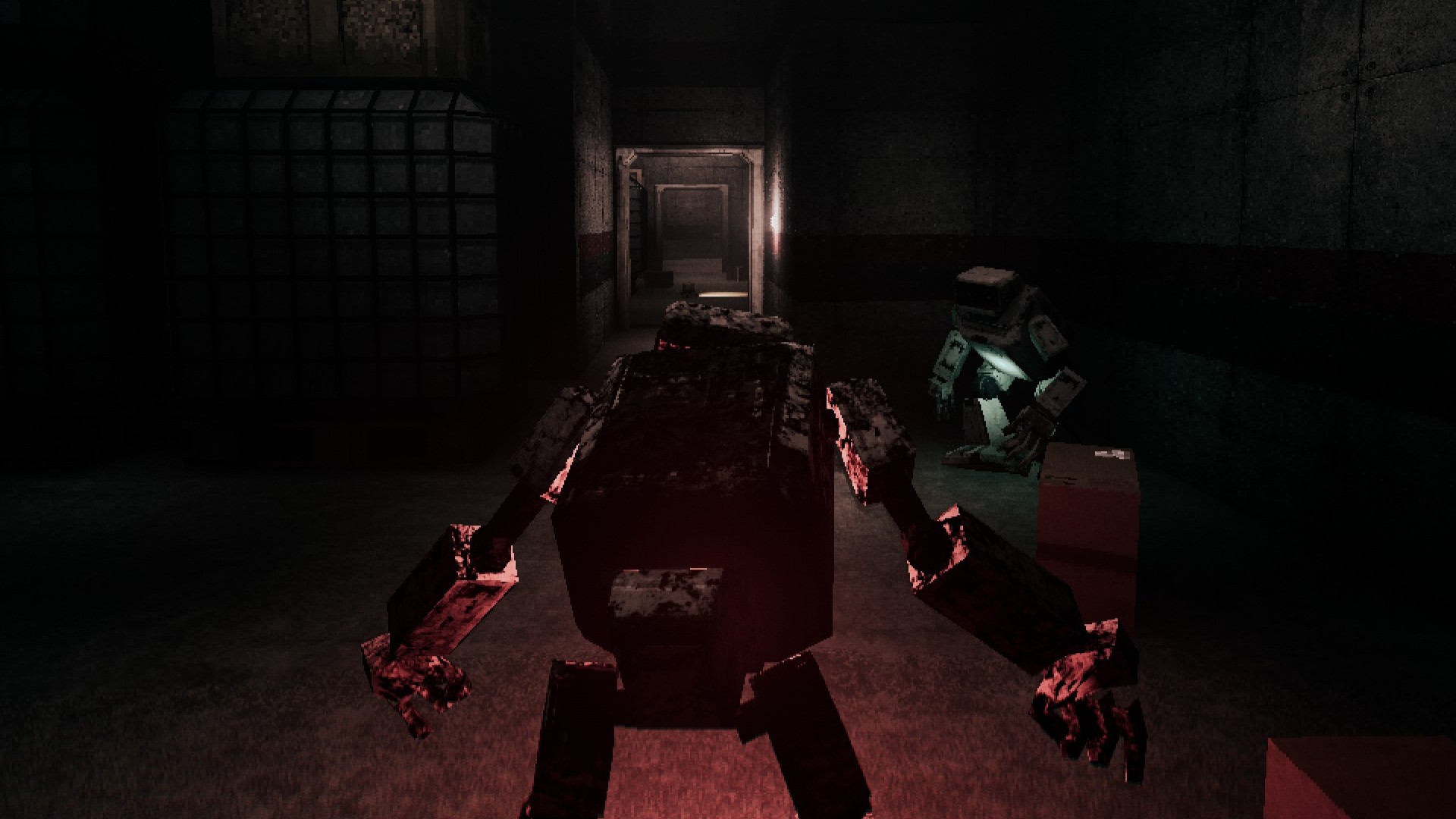
If Bay 23 sounds like your kind of game, wishlist it on Steam that’s still the best way to hear about it first.